
Research
We look for ways to produce critical minerals with less energy, water, waste and carbon. Laboratory process work is paired with life cycle assessment and techno-economic analysis, so cost and environmental impact are weighed together from the start.
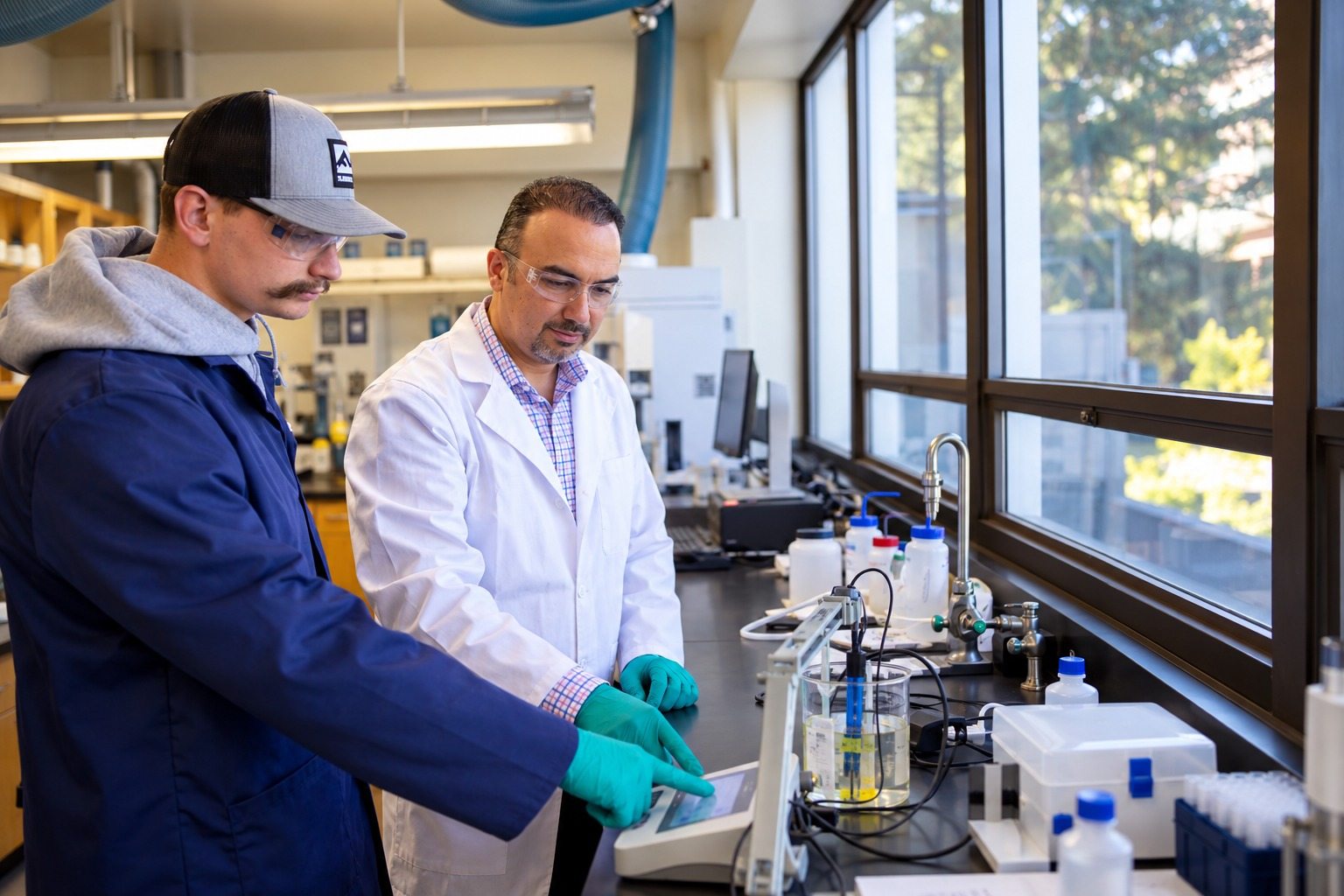
Lithium
Nevada holds some of the largest lithium resources in the United States, in sedimentary claystones such as those at Thacker Pass and in the brines and clays of Clayton Valley. How that lithium is produced decides how much energy, water, reagent and land each tonne of battery-grade carbonate or hydroxide costs.
More on lithium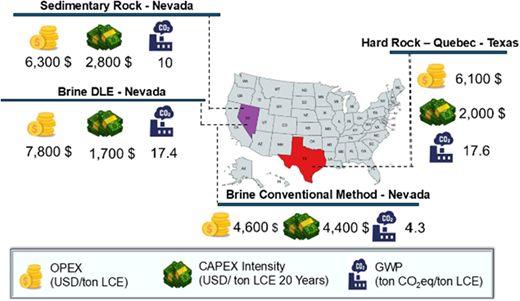 (open full-size figure in a new tab)
Rare Earth Elements
Rare earth elements are essential to permanent magnets, wind turbines and electric vehicles, yet separating them is chemically intensive. Their life-cycle impacts were poorly documented when Dr. Vahidi began building some of the first open life cycle inventories for rare earth production.
More on rare earth elements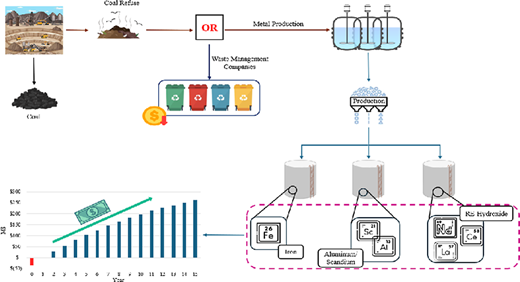 (open full-size figure in a new tab)
Phytomining
Some plants take up unusually high concentrations of metals from soil. Phytomining puts that ability to work. Plants are grown on contaminated land or mine tailings, then harvested and processed to recover the metals they have taken up, cleaning the site at the same time.
More on phytomining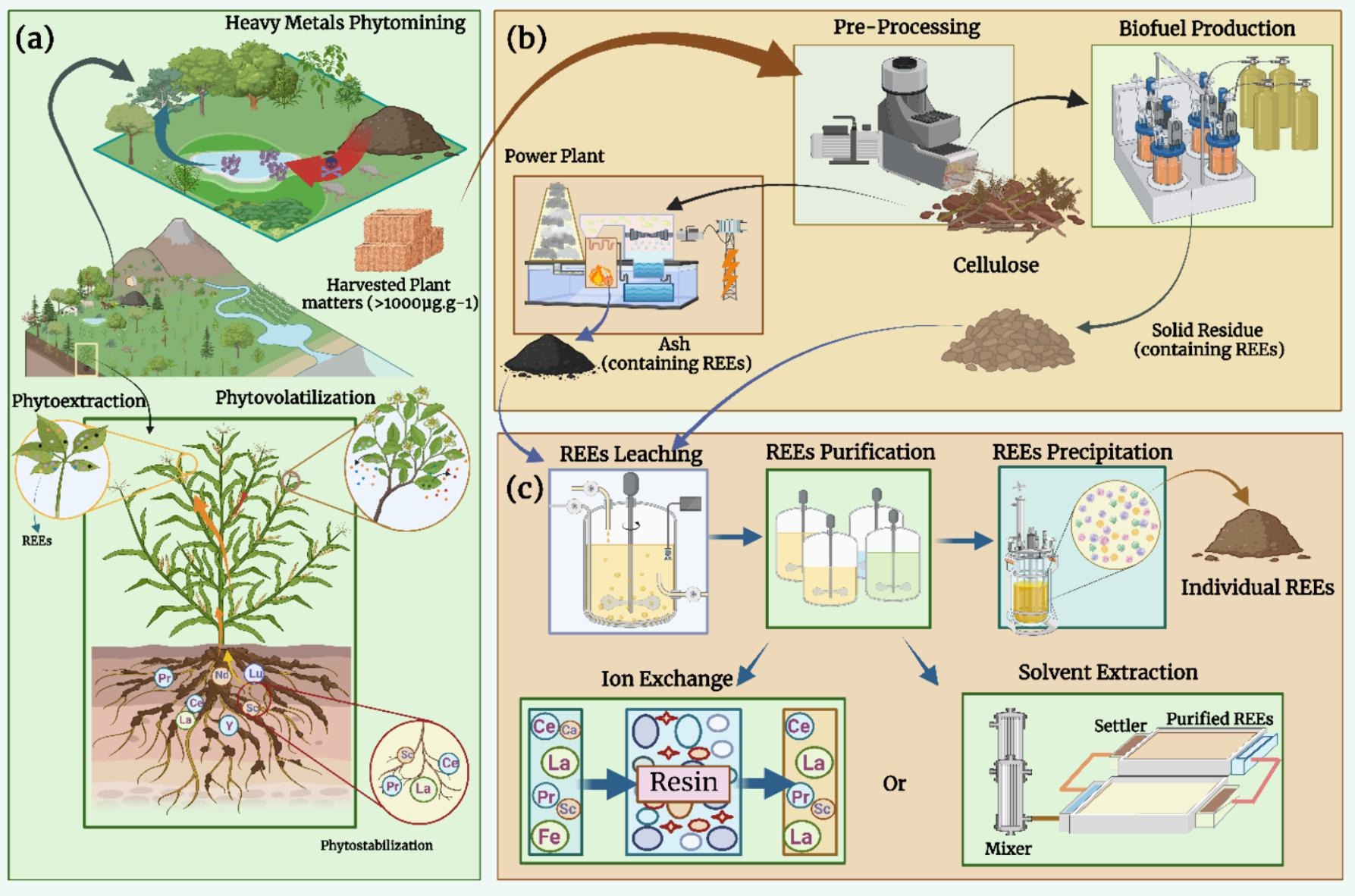 (open full-size figure in a new tab)
Battery Recycling
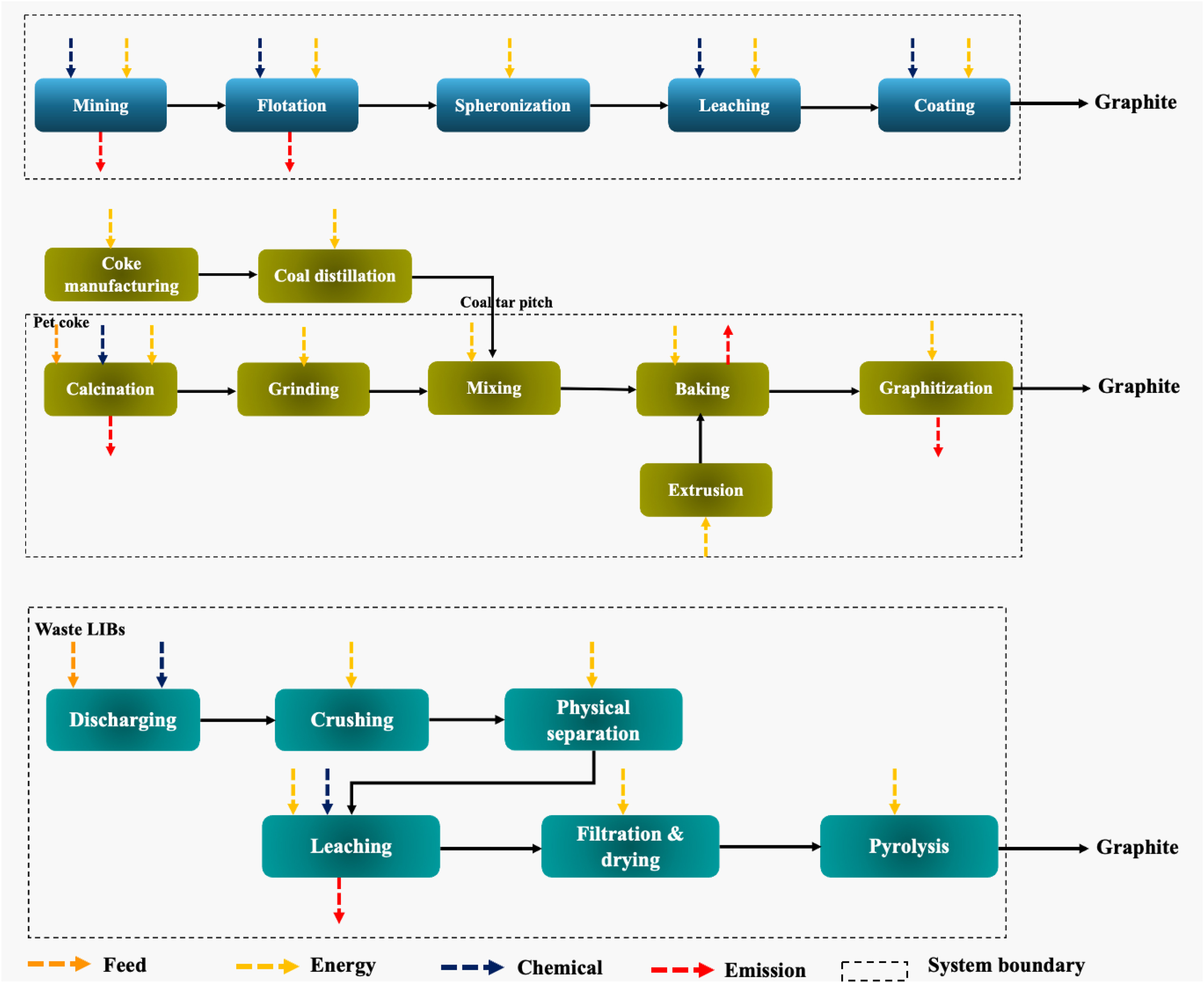
Spent lithium-ion batteries are a fast-growing secondary source of lithium, cobalt, nickel, manganese and graphite. Recycling them can ease pressure on primary mining, but only if the recovery process is itself clean and affordable.
More on battery recycling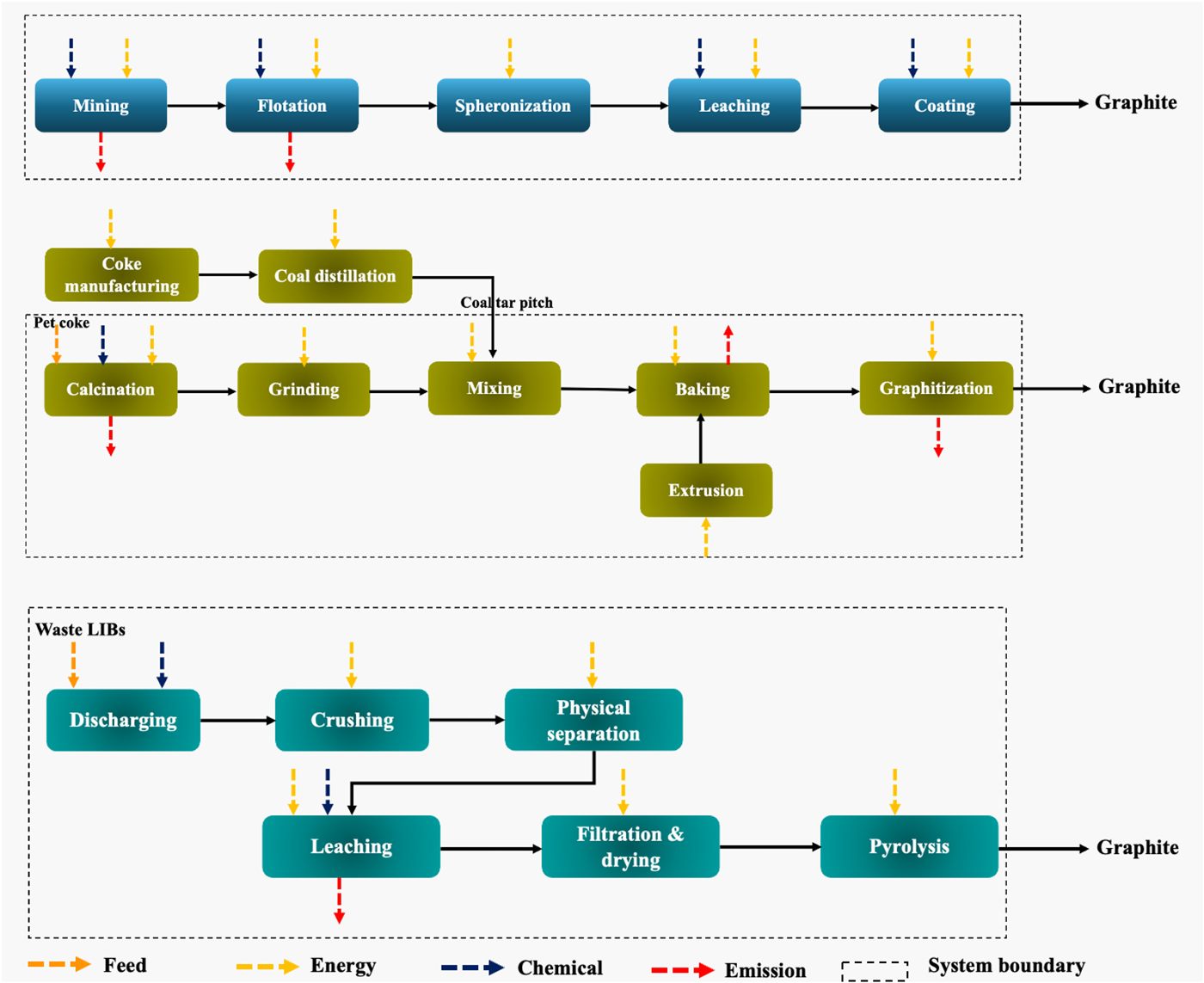 (open full-size figure in a new tab)
Other research areas
Life cycle studies of gold and copper production, carbon management in mining, and sustainability assessment of other materials and industrial systems.
More on our other research
How we work
- Life cycle assessment (LCA). Cradle-to-gate and cradle-to-grave inventories for mineral, metal and battery-material production, identifying environmental hotspots and comparing technology routes.
- Techno-economic analysis (TEA). Process models and cost estimates that show whether a cleaner route can also compete commercially.
- Hydrometallurgy and separation. Leaching, solvent extraction, adsorption and bioleaching experiments for lithium, rare earths and battery metals.
- Characterization. XRD, SEM-EDS, AAS and ICP-OES analysis supporting process optimization.
- Phytotechnologies. Plant-based remediation and recovery of metals from contaminated soils and mine tailings.